May 27 - 7 min read
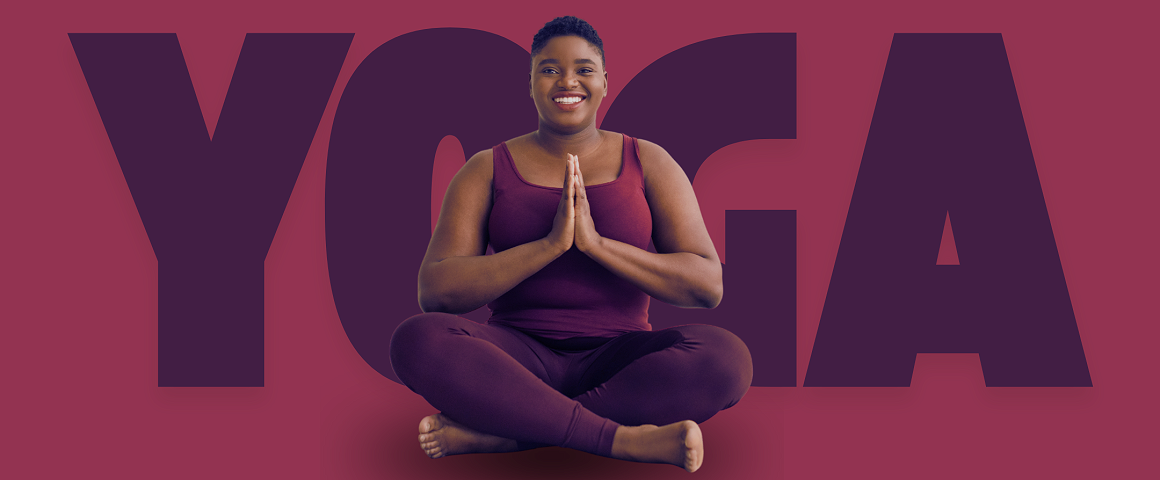

Yoga is one of the oldest practices still deeply woven into modern life, yet it is also one of the most misunderstood. For some people, yoga is stretching in a warm studio with calming music.
For others, it is a spiritual ritual, a fitness trend, or even something suspicious and “cult-like.”
Social media has transformed yoga into an aesthetic: beautiful sunsets, perfectly toned bodies, expensive clothing, and impossible poses performed effortlessly on beaches or mountain tops.
But the real story of yoga is far deeper, older, and far more accessible than the internet often makes it seem.
Yoga did not begin as exercise. It began as a philosophy of connection.
The word “yoga” comes from the ancient Sanskrit word yuj, which roughly translates to “union” or “to yoke together.” Historically, yoga developed in India thousands of years ago. The earliest references appear in ancient Indian texts known as the Vedas, written over 3,000 years ago, though many historians believe yogic practices existed even earlier through oral traditions. Initially, yoga was less about physical movement and more about meditation, breath, self-discipline, and understanding the relationship between the body, mind, and consciousness.

Ancient yogis were not trying to get six-pack abs or become flexible enough for social media. They were searching for clarity, balance, inner stillness, and liberation from suffering. Physical postures, what most people today associate with yoga, were only one small part of a much larger system. In fact, the highly physical yoga practiced in many modern studios is relatively new in yoga’s long history.
Over centuries, yoga evolved and spread throughout the world. Different schools and approaches appeared depending on philosophy, geography, and intention. Today, yoga exists in many forms, and understanding these differences can help people find the practice that actually suits them.
.png)
Because yoga has roots in spirituality and Eastern philosophy, some people wonder whether yoga is a sect, religion, or something dangerous. This question appears frequently, especially in conservative environments or among people unfamiliar with its origins.
It is a practice, and people approach it differently. Some practice yoga purely as physical exercise. Others use it therapeutically for stress, anxiety, mobility, or chronic pain. Some connect with the spiritual aspects through meditation or mindfulness. Many Christians, Muslims, atheists, Buddhists, and people of all belief systems practice yoga without conflict.
That said, certain modern groups or teachers can become cult-like, but this is not unique to yoga. Almost any wellness practice, spiritual movement, or fitness culture can become unhealthy when authority, manipulation, or blind devotion replaces personal freedom and critical thinking. Healthy yoga encourages awareness, autonomy, and connection with yourself, not dependency on a guru or ideology.
Another major misconception about yoga is the belief that yoga is only for women, especially slim, young, flexible women. Social media has reinforced this image for years. Scroll through yoga content online and you will often see tiny waists, expensive activewear, impossible backbends, and polished perfection. It creates the impression that yoga belongs only to a certain body type or lifestyle.
.png)
But historically, yoga was practiced mostly by men.
And more importantly, yoga was never designed only for flexible people. Flexibility is not a prerequisite; it is simply one possible result over time. The idea that you need to “get in shape before starting yoga” makes as little sense as saying you need to become strong before going to the gym.
Bodies are different. Some people are naturally mobile, while others are naturally stiff. Some have injuries, larger bodies, chronic illnesses, trauma, anxiety, or physical limitations. Yoga can still belong to them too.
In fact, one of the most powerful things yoga can teach is body neutrality. Not body perfection. Not body obsession. Just learning to inhabit your body without constant criticism.
The pressure surrounding yoga aesthetics can also become psychologically damaging. Many people feel intimidated walking into yoga spaces because they fear they are “not fit enough,” “not calm enough,” or “not spiritual enough.” But yoga is not a performance. It is not about touching your toes, standing on your head, or looking elegant in leggings. Some days yoga is simply breathing deeply after a difficult week. Some days it is stretching stiff hips after sitting too long. Some days it is lying on the floor and allowing yourself to rest.
Yoga can be especially supportive for people involved in other movement practices, including pole dance.
Pole and yoga complement each other beautifully because both require awareness, control, mobility, strength, and connection between movement and breath. Pole dancers often experience tight shoulders, strained wrists, overworked hip flexors, and bruised muscles. Yoga can help improve recovery, mobility, flexibility, and injury prevention.
Certain yoga practices are particularly beneficial for pole athletes. Shoulder-opening sequences improve lines and overhead mobility. Hip-opening poses support splits and leg flexibility. Breathwork helps with endurance and body awareness during difficult combinations or inversions. Yin yoga can reduce muscular tension after intensive training sessions, while more active styles can improve balance and stability.
But perhaps the deepest connection between yoga and pole is confidence.
Both practices often begin externally, learning shapes, tricks, poses, aesthetics, but over time they become internal. You start noticing not only what your body can do, but how you feel inside it. Many people discover that yoga and pole together create a balance between strength and softness, discipline and expression.
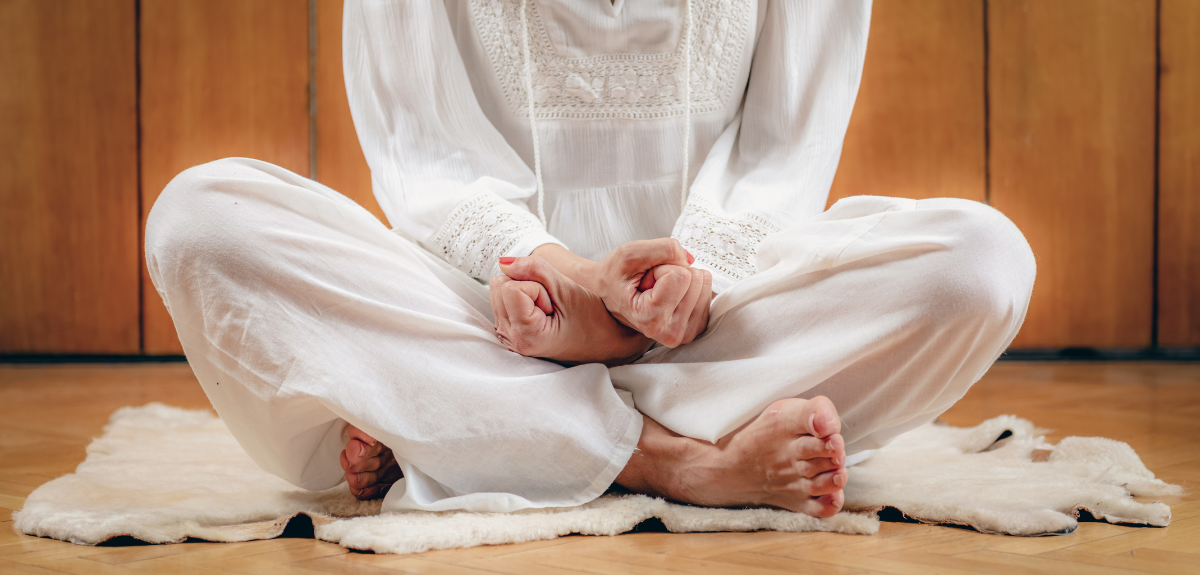
The only real answer is experience.
Not one class. Not one awkward attempt. Not one YouTube video where you felt uncomfortable. Yoga is incredibly dependent on the teacher, atmosphere, style, and timing in your life. One studio may feel performative and competitive, while another feels grounding and welcoming. One teacher may focus too heavily on spirituality for your taste, while another approaches yoga entirely through anatomy and movement.
Many people quit yoga too early because their first experience did not resonate with them. But yoga is not one thing. It is an enormous world with many doors.
If you are curious about yoga, start simply.
You do not need expensive clothing. You do not need to be flexible. You do not need to understand Sanskrit words or own crystals. You need breathable clothes, patience, and willingness to feel slightly uncomfortable while learning something new.
Begin slowly. One or two sessions per week is enough for beginners. This gives the body time to adapt and prevents overwhelm. Over time, many people find that practicing yoga two to four times per week creates noticeable changes in mobility, posture, stress levels, sleep, and emotional regulation.
More intense daily practice is possible, but it depends on the style. A gentle Yin or restorative practice can often be done daily because it supports recovery. Intense power yoga or advanced Ashtanga may require more balance and recovery time, especially if combined with other sports or training.
And contrary to wellness culture, more is not always better.
Yoga is not about punishment or productivity. Sometimes progress happens through consistency, not intensity.
One of the most overlooked aspects of yoga is its effect on the nervous system. Modern life constantly overstimulates the body. Notifications, stress, screens, work pressure, comparison culture, noise, and lack of rest keep many people in a chronic fight-or-flight state. Yoga, especially breathwork and slower practices, can help activate the parasympathetic nervous system, which supports relaxation, digestion, recovery, and emotional balance.
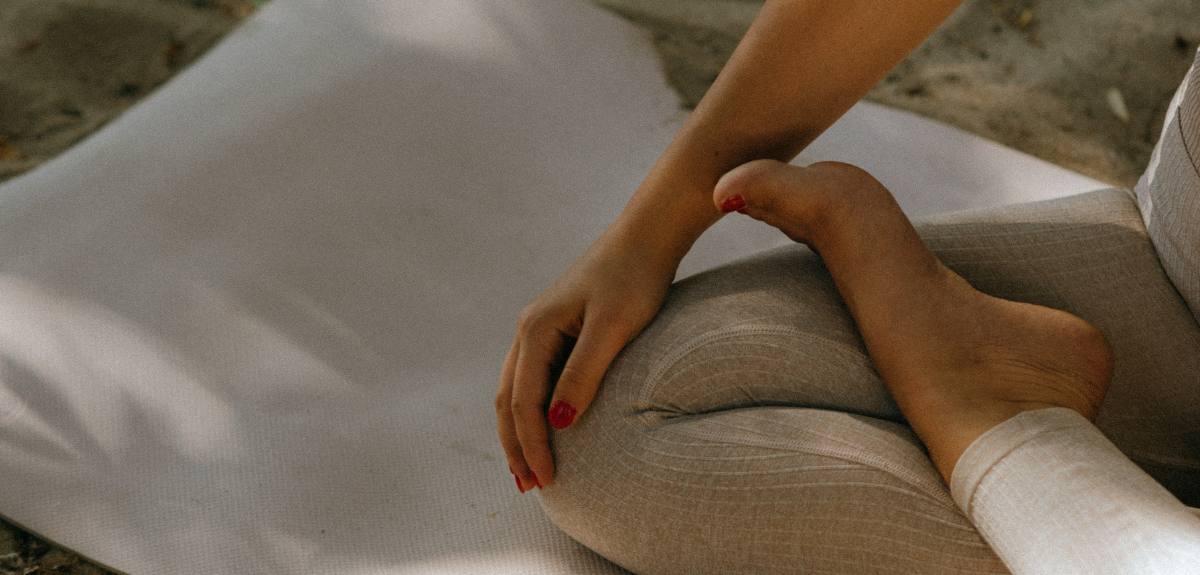
This is one reason so many people report feeling emotionally lighter after yoga. Movement matters, but breathing matters too.
Breath is central to yoga because it connects the physical and mental experience. In many classes, students are encouraged to move with awareness of inhale and exhale. At first this may seem unimportant, but over time it changes the quality of movement entirely. You stop forcing. You stop rushing. You become more present.
And perhaps this is what yoga was always meant to teach.
Not perfection .Not performance. Not aesthetic wellness. Presence.
The ability to notice yourself honestly without immediately trying to fix, punish, or reshape who you are.
In a culture obsessed with optimization and appearance, yoga sometimes becomes trapped inside consumerism. But underneath the trends, branding, and social media images, yoga remains something deeply human: a practice of returning to yourself.
And maybe that is why it has survived for thousands of years.