Jan 8 - 6 min read

Your grip is tired. Your shoulders feel worked. Your skin remembers every contact point. Even if your mind is buzzing with what you nailed or what you’re still chasing, your system is asking for something simple and essential: rest.
In a training culture, “more” often gets celebrated—more reps, more sessions, more tricks, more progress. But the truth is quieter: your growth doesn’t only happen on the pole or in the air. It happens in the hours after, when you recover, after you refuel, after you come back to yourself. This is where rituals matter. And it’s exactly where Lupit Latte fits: not as a magic shortcut, but as a consistent, comforting ritual that signals to your body and mind that you’re safe to downshift.
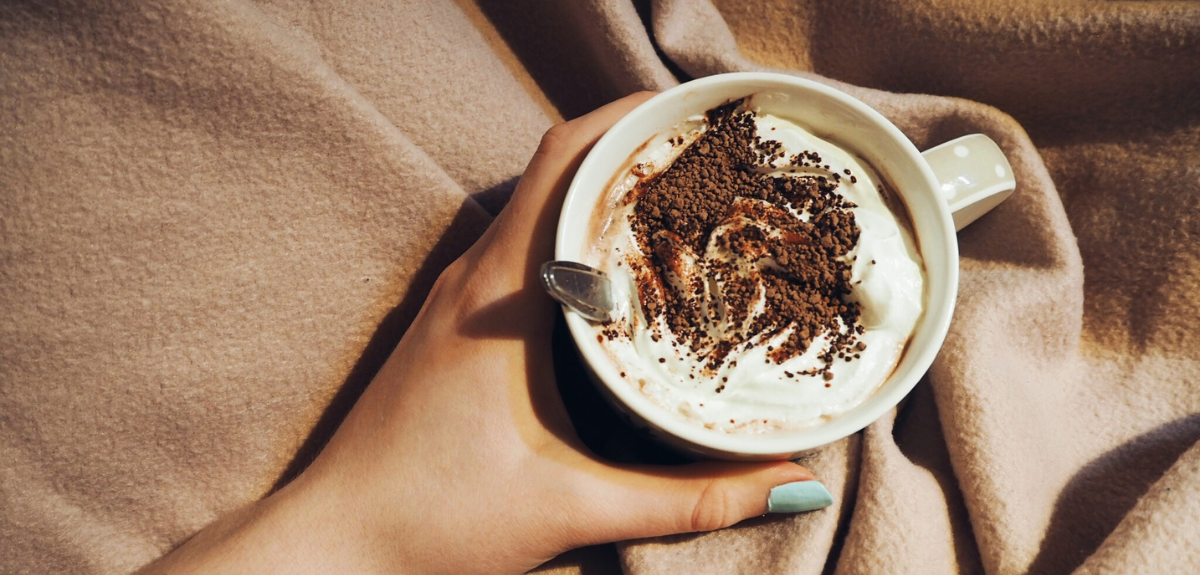
Pole dancing and aerial disciplines demand a unique combination of strength, mobility, coordination, and bravery.
Rest after training isn’t a reward for being “done.” It’s a phase of the training cycle. The muscles you challenged need time to rebuild. The connective tissue you loaded needs time to settle. Your nervous system needs space to shift from alert performance mode into recovery mode.
When you skip rest, the body doesn’t get the full message of adaptation. When you honour rest, you’re telling your system: keep what we learned. Strengthen what we built. Let the work land.
That’s the difference between constantly chasing progress and actually integrating it.
The post-training window: where rituals make the difference
“Rituals” can sound dramatic, like you need candles and an hour of silence. You don’t. A ritual is simply a repeated sequence that tells your body what comes next.
After pole dancing or aerial training, a simple ritual can help you:
And consistency is where real change happens.
Think of your ritual as a landing strip. You’ve been flying. Now you need to land well.
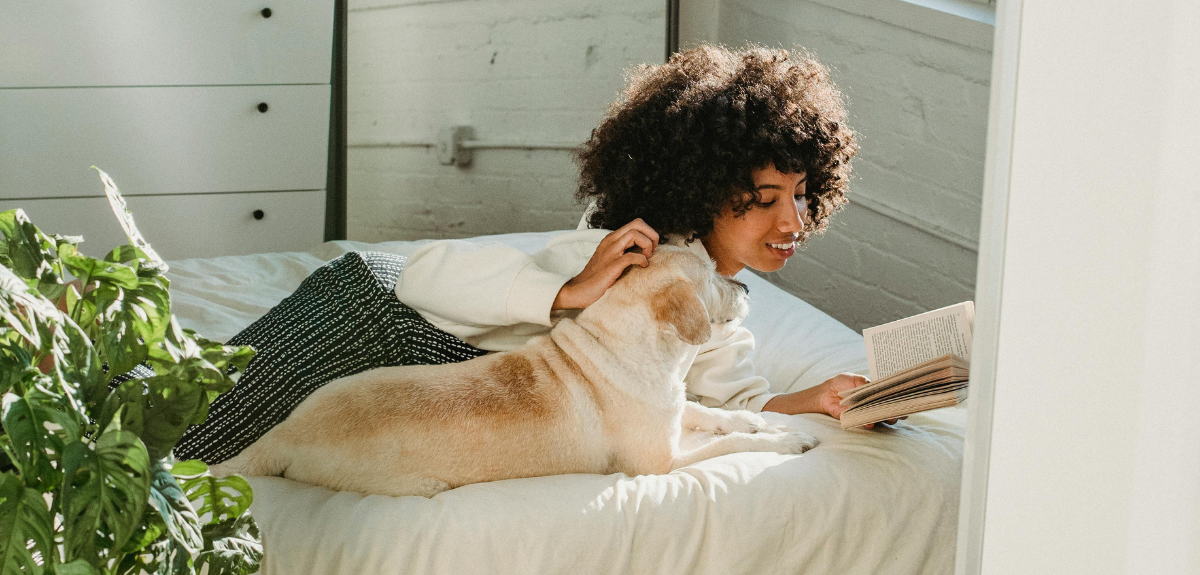
Here’s a realistic framework you can use after pole dancing or aerial practice. It’s not “perfect.” It’s doable.
1) Downshift your nervous system (2–5 minutes)
Before you rush into your next task, give your system a clean signal that training is complete.
This isn’t about stretching harder. It’s about switching gears.
2) Warmth and comfort (your cue for recovery)
Warmth is one of the simplest recovery signals. It tells the body to soften.
This is where Lupit Latte becomes more than “a drink.” It becomes a reliable transition: training mode to recovery mode.
3) Refuel without overthinking it
After training, your body needs replenishment. You don’t have to track everything. Just aim for something supportive:
The point isn’t perfection. The point is consistency.
4) A tiny “closing” practice (1–3 minutes)
This is the part most people skip, but it’s powerful. Close the loop.
One sentence. That’s it.
This helps your brain stop spiralling and start integrating.

If you love Lupit products, you already understand something important: good equipment supports better practice. But practice isn’t only what happens on your Lupit pole or apparatus. It’s also what you do around training, before, between, and after.
Lupit Latte can be the “after training” anchor: the part of your routine that stays steady even when everything else changes. It’s a small luxury with a purpose. Not a dramatic transformation. A gentle return.
Here’s how to make it work as a ritual:
The goal is not to add more tasks. The goal is to make recovery automatic.

Between New Year’s and “normal life,” there’s often a pocket of time that feels strangely open. The world expects you to rush into goals. But your body might be asking for something else: a slower start, a softer reset.
For pole dancing and aerial, this matters more than people think. This is a sport and an art where burnout can show up quietly:
Rest protects joy. Rituals protect rest.
Use these quieter days to make space:
When your environment supports rest, you don’t need willpower. You just follow the path.

A lot of people try to change everything in January. That usually backfires—especially for athletes and dancers who already hold themselves to high standards.
Try this instead: one small change per month. Tiny, consistent shifts are how you create new moments, and those moments become memories.
Examples that fit pole dancing and aerial life:
This approach respects the nervous system. It also respects real life. Progress becomes something you can keep—not something you have to chase.
A ritual you’ll actually repeat
If you want a simple, repeatable ritual starting today, try this:
After training:
That’s enough. Not because you’re doing the minimum—because you’re doing what’s sustainable.
Let your recovery be part of your artistry
Pole dancing and aerial work ask for your power, your discipline, and your courage. But they also ask for your tenderness. Rest is not the opposite of training. It’s the part that makes training work.
Let Lupit Latte be a small ritual that supports your bigger practice. Let it mark the moment you stop pushing and start absorbing. Over time, those quiet moments add up. They become the place where strength settles in, confidence returns, and your body feels like home again.