Jun 15 - 5 min read
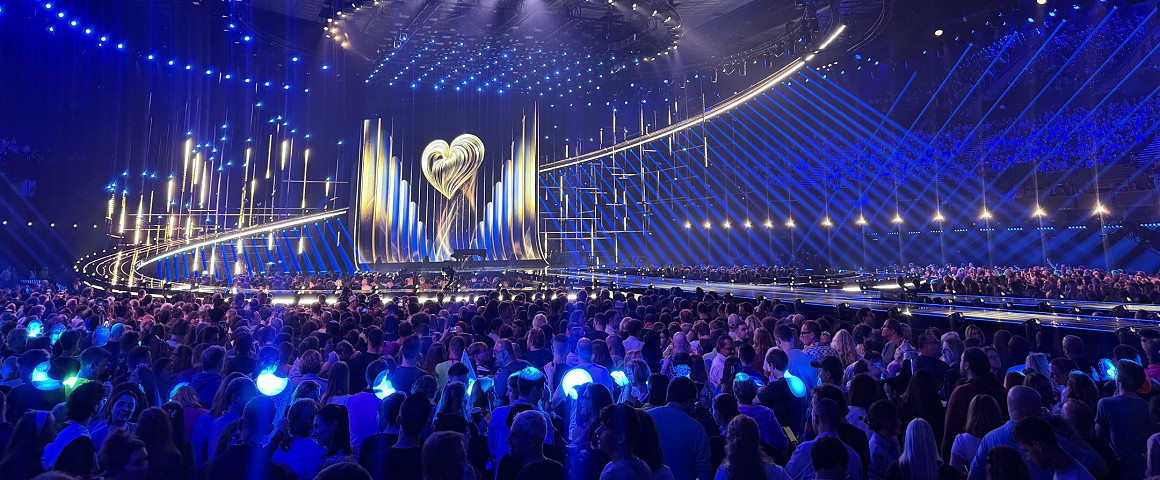

The dust has settled on the 70th edition of the Eurovision Song Contest. For seven decades, this massive spectacle has evolved from a modest, post-war European broadcasting experiment into a hyper-visual, geopolitical, subcultural phenomenon.
But what does it actually represent? And what does it take to build a stage that can handle the raw gravity of modern pop performance?
Let’s strip away the sequins and look at the reality of the beast.
At its core, Eurovision represents a loud, unapologetic celebration of identity. It is impossible to talk about the contest’s modern identity without acknowledging its core lifeline: the LGBTQ+ community.
For decades, the contest has served as a safe harbour and a global platform for queer expression, from Dana International's historic win in 1998 to Nemo lifting the trophy in 2024. The fandom is passionate, deeply protective of this cultural space, and views the stage as a sanctuary where boundaries are meant to be pushed. When an artist steps onto that stage, they aren’t just singing; they are demanding to be seen.
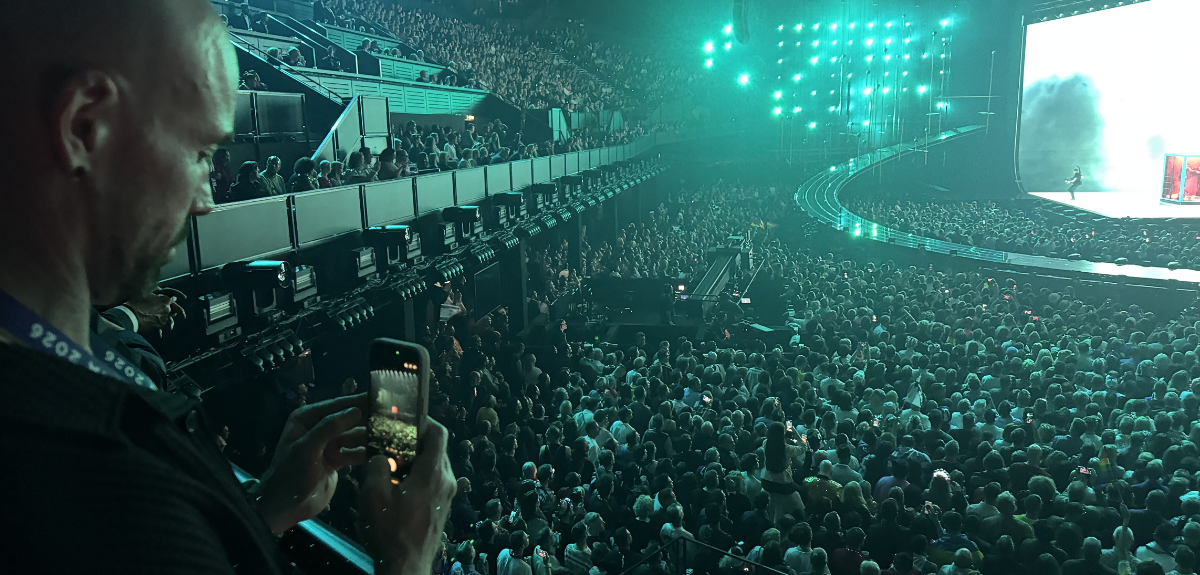
The Reality of Geopolitics
Eurovision likes to claim its official slogan is "United by Music," but true fans know that politics always shares the microphone. The contest has always been a mirror of global tensions, and recent years have brought that reality to the forefront.
The heavy controversies surrounding Israel’s participation have created a deeply fractured atmosphere behind the scenes and in the arena. It’s an undeniable friction point: while the European Broadcasting Union (EBU) maintains its stance as a non-political entity, the audience and the broader public are intensely divided. Tensions are raw, emotions run high, and navigating this space requires acknowledging the very real, human frustrations of a polarised world. Eurovision is rarely just about the music; it’s about how we coexist on a very loud planet.
When it comes to pure dominance on the scoreboard, two nations sit at the absolute top of the food chain:
While the artists capture the cameras, an army operates in the dark. The sheer scale of the engineering, staging, and accompanying programs is mind-boggling. Every single three-minute performance requires a completely bespoke set change executed in under 50 seconds.
Behind the main acts are the choreographers, the technical riggers, the stage managers, and the specialised equipment providers who ensure that when an artist attempts a gravity-defying feat on live television, the structural integrity of the set doesn't give way under millions of viewable eyes.
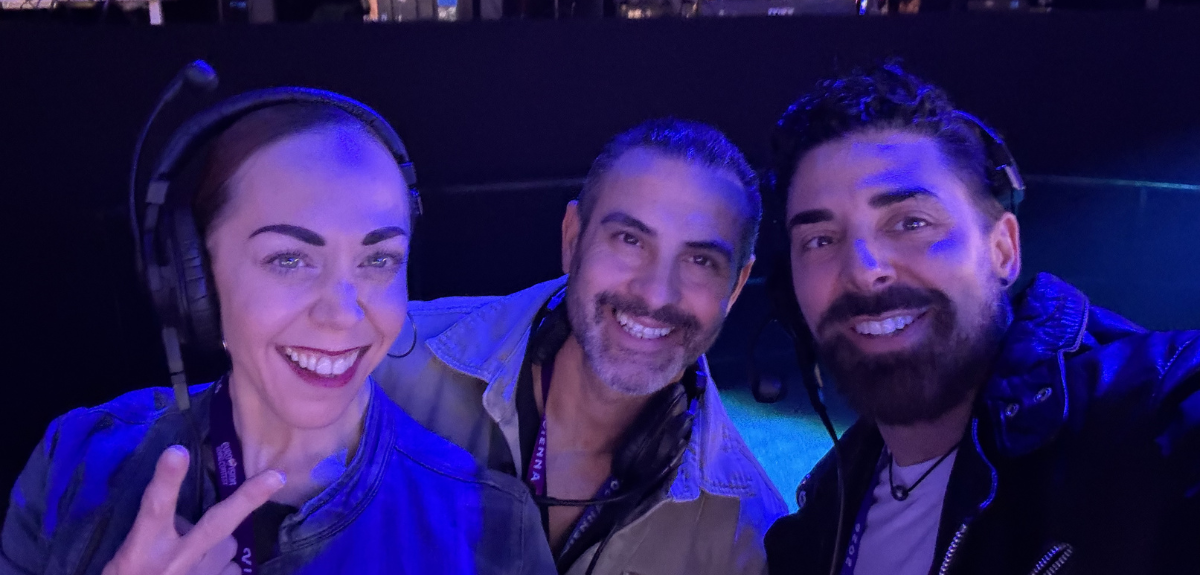
Where We Came In: Lupit Pole Takes Flight
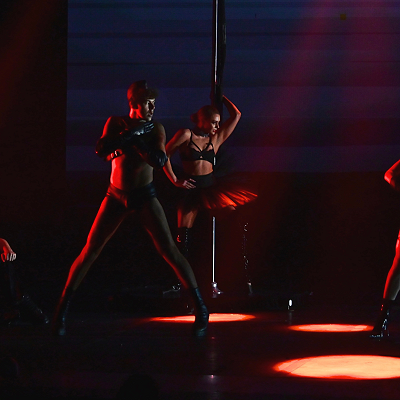
This year's creative director, Michael Schwandt, Inc and acrobatic and dance choreographer, as well as casting the acrobats and (unintentionally) ending up performing in 2 of the numbers herself, Johanna Sapakie, pushed the boundaries of the accompanying program, blending high-athletic aerial gymnastics with contemporary art; the production team couldn't rely on standard theatrical props. They needed dynamic, aerial equipment capable of weathering immense high-impact forces under intense live-broadcast pressure.
That’s exactly why Lupit Pole was brought backstage to supply our signature Flying Poles.
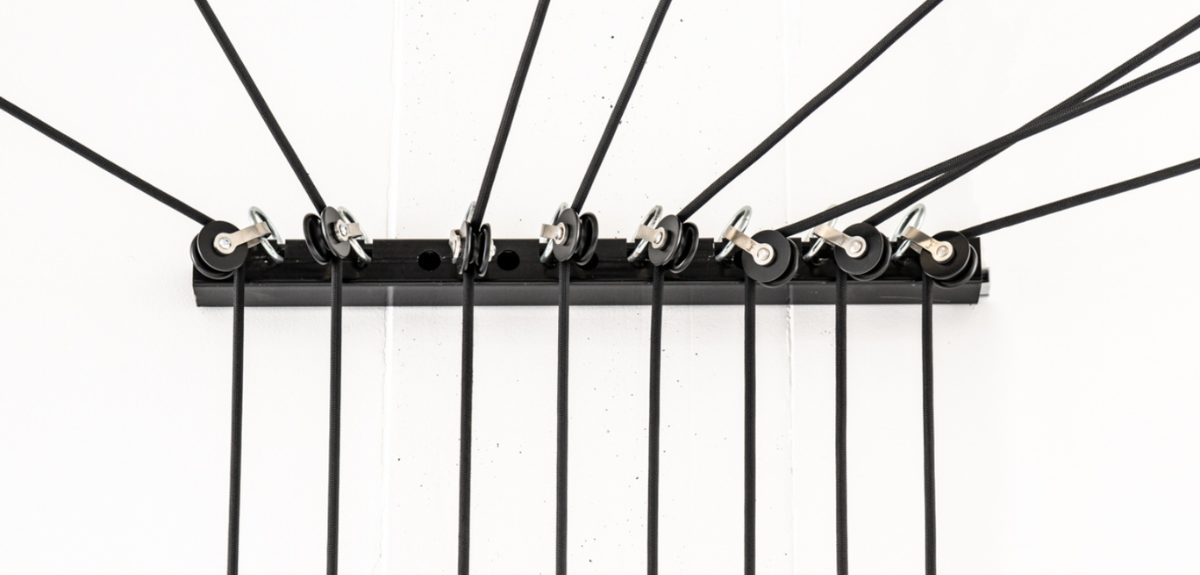
Unlike standard studio equipment, a flying pole is suspended entirely from an aerial rigging point, meaning it swings, rotates, and flies through 3D space. When an artist is hanging upside down from a moving aerial apparatus in front of a global audience of over 150 million viewers, there is zero room for error.
Here is exactly how our gear kept the show safe, seamless, and spectacular:
Eurovision is a beautiful, chaotic, and fiercely competitive ecosystem. Behind the political friction and the cultural noise, it is ultimately a testament to human expression and physical capability. At Lupit Pole, we are incredibly proud to have provided the backbone for the artists who climbed high, took risks, and quite literally flew on the world's biggest stage.