Feb 27 - 5 min read
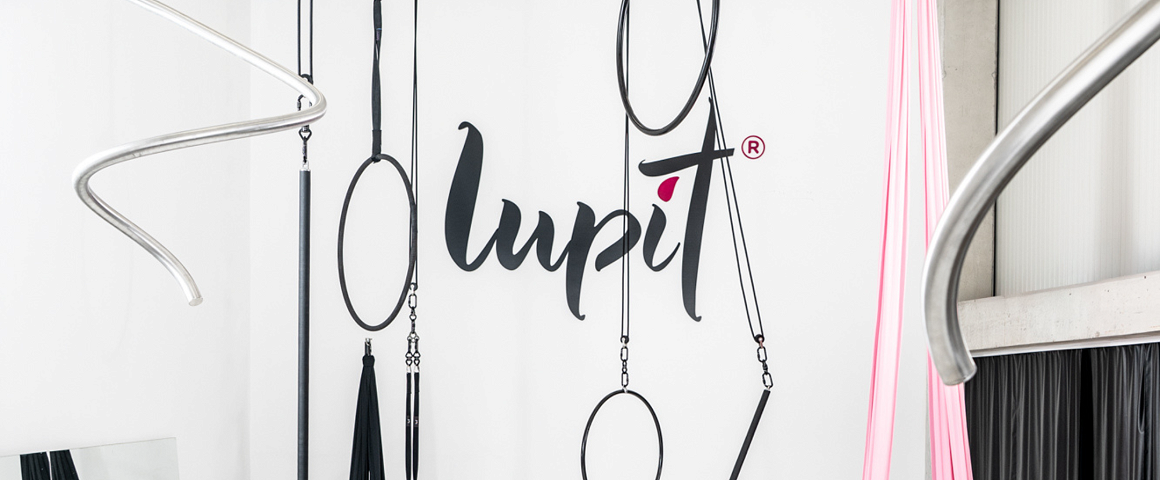

Pole dancing is a powerful blend of athleticism, artistry, and discipline. As the sport grows worldwide from professional studios to home training spaces conversations around safety have become more important than ever. While pole dancing can become a deeply rewarding physical practice, it is still a demanding activity that requires proper equipment, preparation, and awareness.
This article explores three essential aspects of safety in pole dancing: understanding injury risks, how Lupit approaches safety through engineering and strict standards, and how dancers themselves can prevent injuries through responsible choices and preparation.

Pole dancing is often perceived as effortless when performed by experienced athletes, yet it involves significant strength, coordination, and joint stability. Like many aerial or strength-based disciplines, injuries can occur when technique, conditioning, or equipment is not aligned with the demands of the movement.
Studies and reports within the fitness and dance industry suggest that common pole-related injuries include:
Most of these injuries are not caused by pole dancing itself, but by external factors, such as rushing progressions, inadequate warm-ups, unsuitable equipment, or unsafe setups. The reality is that pole dancing, when supported by proper engineering and responsible practice, can be as structured and safe as any professional sport.
Safety begins long before the dancer touches the pole. It starts with how equipment is designed, manufactured, tested, and installed.
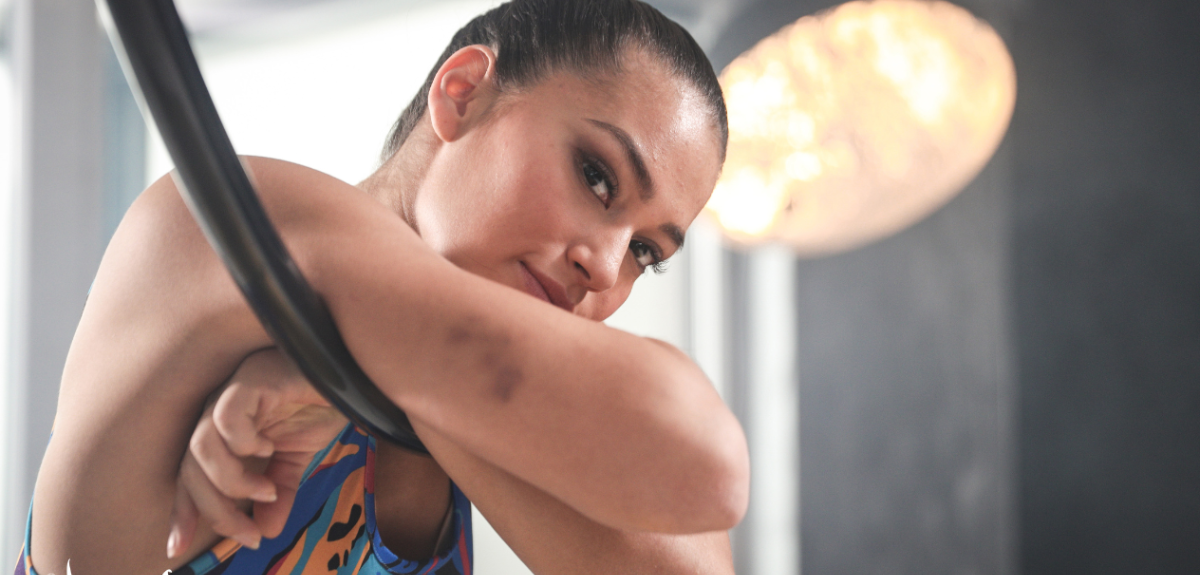
At Lupit, safety is not an accessory; it is the foundation of every product. Unlike brands that outsource production, Lupit designs and manufactures equipment in-house, allowing full control over materials, tolerances, and performance testing. This engineering-first approach ensures that safety is not dependent on external processes or assumptions.
Every product undergoes rigorous testing protocols. Structural testing includes controlled weight load assessments to simulate real-world use and dynamic forces. Equipment is also tested by ambassadors and professional dancers who push products through advanced movements, transitions, and repeated-use scenarios. These real-use environments help identify details that purely mechanical testing might overlook.
Safety extends beyond the poles themselves. Grip solutions and crash mats are developed to complement the overall training environment. Crash mats provide an additional layer of protection during learning phases, especially when practising inversions, drops, or unfamiliar combinations. Grips help maintain consistent contact, reducing unnecessary strain from over-squeezing or slipping.
However, one of the most important aspects of Lupit’s safety philosophy is its strict installation policy.
Pole equipment is designed to be secure only when installed exactly as intended. Structural stability depends on correct placement, proper ceiling support, and precise assembly. Because of this, Lupit emphasises clear installation guidelines and responsible use. Products are engineered with safety margins, but those margins are meaningful only when the installation process is respected.
This approach reflects a core belief: safety is not achieved by a single feature; it is achieved through the relationship between engineering, testing, and responsible setup.
While quality equipment creates the foundation for safe training, dancers also play a central role in injury prevention. One of the most important decisions is choosing brands that specialise specifically in pole and aerial disciplines.
Not every fitness brand understands the mechanical demands of pole dancing. Specialised pole-focused companies invest in research, testing, and continuous refinement based on real dancer feedback. This does not mean a brand has to be the oldest or most widely known, but it should be deeply rooted in the pole industry itself, with a clear understanding of safety standards and product performance.
Another essential component of injury prevention is physical preparation.
A proper warm-up prepares joints, muscles, and connective tissues for load. Dynamic stretching before pole sessions can improve mobility and reduce strain during spins and inversions. Focus areas often include:
Warm-ups should gradually increase heart rate and activate stabilising muscles rather than forcing deep static stretches. The goal is to create readiness, not fatigue.
Post-session stretching serves a different purpose. After training, muscles are warm and more receptive to gentle lengthening. Slow, controlled static stretching can help reduce stiffness and support recovery. Areas commonly addressed include:
Recovery practices such as hydration, rest, and mindful cooldown routines also contribute to long-term safety.
Beyond stretching, listening to the body remains one of the most valuable habits a dancer can develop. Progressing too quickly, repeating movements under fatigue, or ignoring discomfort increases the likelihood of injury regardless of equipment quality.

Pole dancing is an evolving sport, and its community continues to shape higher standards of professionalism and care. Brands, studios, and dancers all share responsibility for maintaining a safe environment.
Choosing well-engineered equipment, installing it correctly, preparing the body properly, and respecting personal limits form a complete system of safety. When these elements come together, pole dancing becomes not only expressive and powerful but also sustainable for long-term practice.
If you are considering upgrading your setup or starting your pole journey, take a moment to review your equipment carefully. Explore poles, grips, and crash mats designed with engineering precision and tested through real experience. Safety begins with informed choices, and the right foundation makes all the difference.
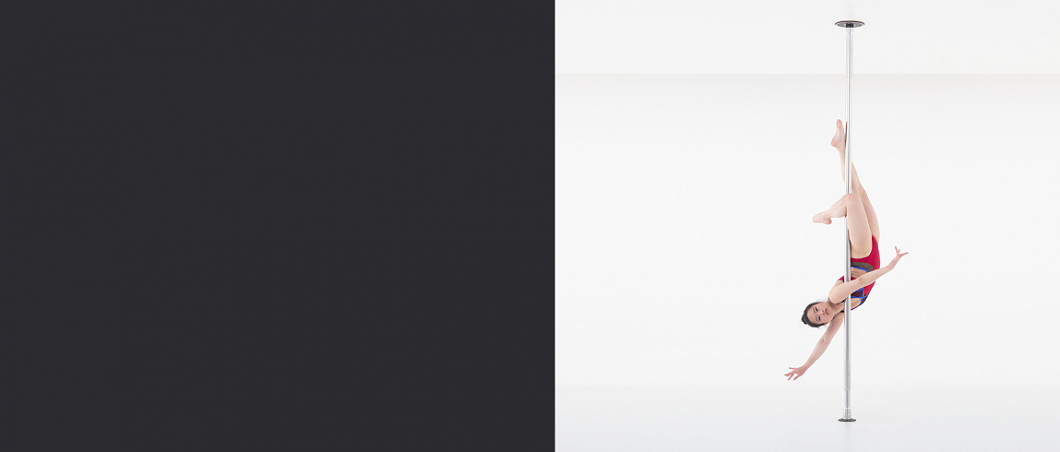
LUPIT POLE QUICK LOCK™ is the latest purchase for anyone exercising at home. Safe and stable construction, stainless steel grip, the best spin on the market, smooth design, easy installation, and extra safe quick-lock mechanism.